What Does Being Wealthy In Britain Mean Today?

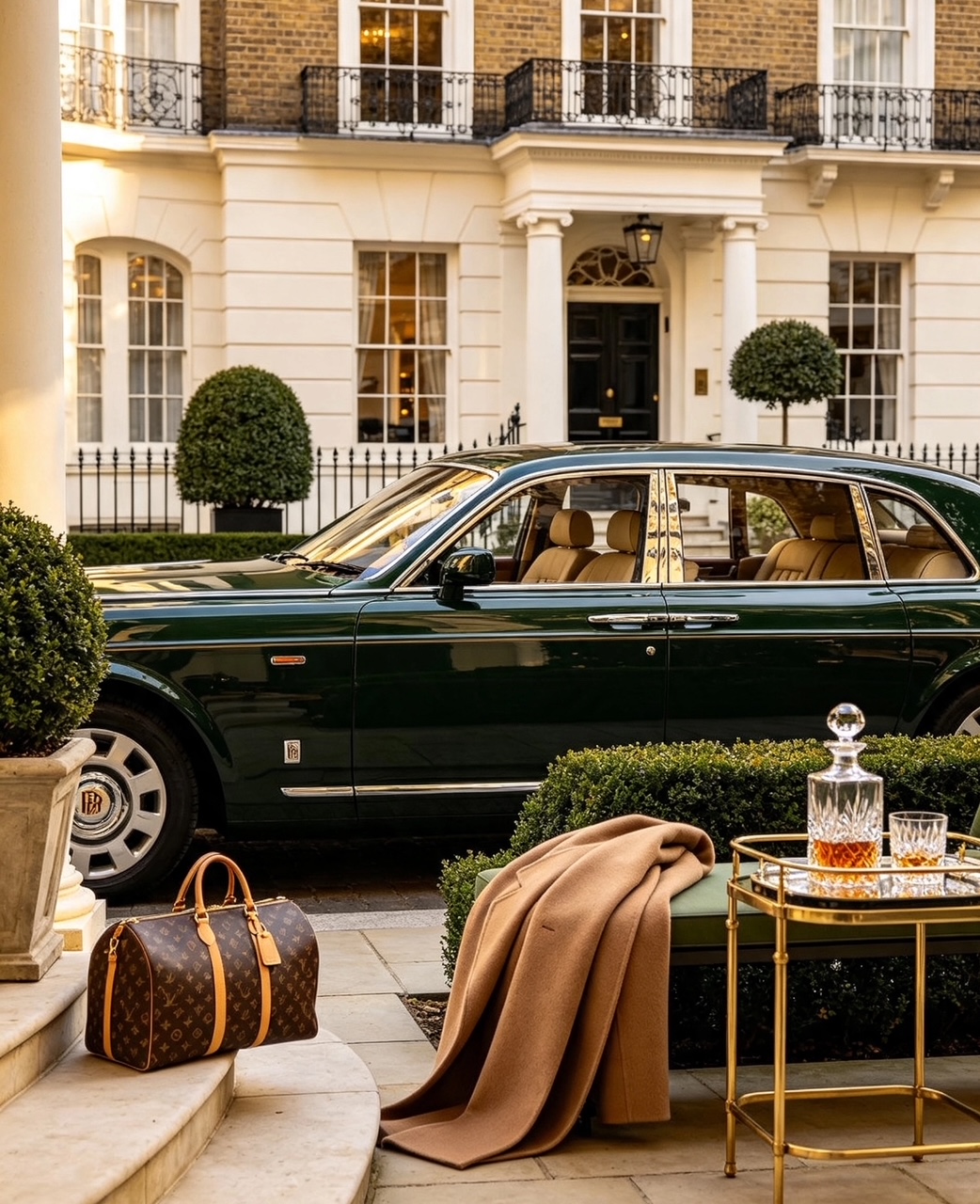

From country houses and private members’ clubs, the idea of wealth in Britain is changing.
There was a time that wealth was incredibly easy to recognise in Britain.
A large house.
The Mayfair address.
A private school education.
Perhaps a second home in the Cotswolds, not forgetting to mention the holiday’s in the South of France.
Today, wealth is much harder to spot.
As things change, wealth is becoming less about what someone owns and more about what their money allows them to do.
It’s the freedom from financial anxiety. The ability to choose where to live and how to work.
The confidence to be able to absorb unexpected expenses without changing your lifestyle. Receiving income from your assets and reaching a point where work becomes a choice, rather than it being a necessity.
So, what does being wealthy actually mean in Britain today?
Wealth is more than a salary.
One of the biggest misconceptions about wealth is that it can be measured by your income – alone.
A person earning £200,000 per year, may appear to be extraordinarily affluent however if expenses include a large mortgage, school fees, childcare and substantial borrowing to fund a specific lifestyle – especially in London then the income can be consumed quickly.
Meanwhile, someone with a considerably lower salary may own their home, have a valuable pension pot, hold investments and carry very little debt.
The second person would have greater financial security.
Income is a flow.
Wealth is a stock.
You look at your income as what comes into your household.
Wealth is what remains in the form of assets, after debts are taken into account.
This is why the question of “How much do you need to earn to be rich in the UK?” doesn’t have a simple answer – there are many things to consider.
Britain is a wealthy country but wealth is unevenly distributed.
In Britain, it’s fair to say that wealth isn’t distributed in an even way.
Property ownership.
Pensions.
Inherited Assets.
Investments.
Access to financial opportunities all help to create enormous differences within households and of course, there is the North-South divide.
Someone who bought a house in London or the South-East decades ago, may have accumulated substantial wealth even without earning an exceptionally high salary.
Now, for the younger generations, things are looking very different.
There are more things to consider such as higher housing costs and the deposits that are required for purchasing a property – including the changing nature of employment.
Creating the feeling of Britain being a wealthy country with many households feeling far from wealthy themselves.
So, how much money makes you wealthy in Britain?
There isn’t a universal number to how much money makes you wealthy however there are a few things to be considered.
- Where you live.
- Whether you rent a property or own a property.
- If you have debt.
- Your lifestyle, overall.
- Does your wealth produce income?
Take this as an example.
Someone who lives in central London will need substantially more money to maintain the same lifestyle as someone who lives in a less expensive part of Britain.
This is why phrases such as “rich in the UK” and “how much money do I need to be rich?” are deceptively complicated as not one answer fits all.
Differences between High Income, Affluent and Wealthy
High Income.
You earn significantly more than a typical household but you may still have substantial outgoings.
Affluent.
You can comfortably afford many of life’s pleasures, have financial resilience and generally enjoy a higher-standard of living.
Wealthy.
Someone who has accumulated assets that are substantial enough to provide significant support, security and potentially generate income independently of your employment.
Financially Independent.
Sources of income and your assets can support your lifestyle without requiring you to work for a salary.
The New Luxury: Time
One of the most interesting things we have seen recently is that British wealth is being considered as time.
Time has become a luxury good.
The ability to take six weeks away from your work.
Spending a weekday afternoon with your family or friends.
Declining a client.
Moving somewhere quieter.
Retiring early.
Working on projects you genuinely want to pursue.
It’s a different definition of luxury compared to the traditional definitions we used to see and consider.
A £20,000 watch is visible.
A year in which you control how every Monday starts and how your week is scheduled, is not visible.
For many affluent people, the second option may be considerably more valuable than the first option – and rightly so.
The Wealthy Still Buy Luxury – But They Increasingly Buy Experiences.
Yes, they do.
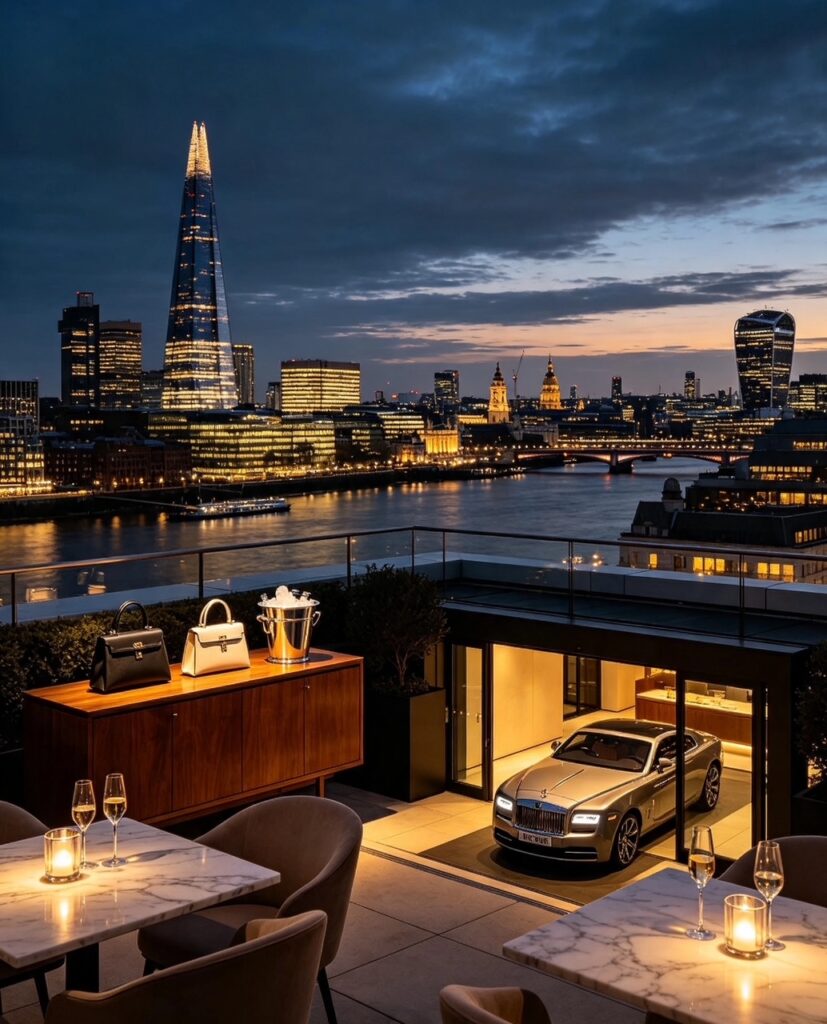
Think of the recognisable luxury industries including: fine jewellery, watches, tailoring, cars, hotels, private aviation and art.
However there is a growing appeal for experiences that are difficult to replicate.
A private villa rather than a hotel suite.
A chef cooking for a small group.
Rare bottles of wine that are opened at the table with family and friends.
Selecting art you like because it has meaning for you.
This is Quiet Luxury.

Quiet luxury is where wealth doesn’t necessarily need to announce itself – it’s only for you to enjoy and experience.
The Rise of Quiet Wealth
Britain has always been somewhere that has had a complicated relationship with visible money.
Old wealth (old money) was traditional and quiet.
New money has a stronger appetite and need for display.
A wealthy person may drive an understated car, wear ordinary clothing and live in a beautifully designed yet understated home.
Their wealth is less visible however:
- They have the ability to travel outside of peak periods.
- Ownership of multiple properties.
- A diversified investment portfolio.
- Access to private networks.
- Flexibility with working hours and life balance.
- Financial resilience during economic shocks.
This is why it’s now harder to define wealth in Britain.
Is owning a house still the ultimate symbol of wealth?
No.
For generations, home ownership in Britain was closely associated with financial success however the times have changed.
Property can provide you with somewhere to live whilst it increases in value, over time but the relationship between home ownership and wealth is much more complicated.
A £2 million house with a £1.8 million mortgage doesn’t represent the same financial position as a £2 million home that is owned outright.
This is where net worth comes in.
Your net worth is broadly the value of what you own minus what you owe. Think of it like the below.
Property + Savings + Investments + Pensions + Valuable Assets – Debts = Net Worth.
The Future of British Wealth
Old money and British wealth are unlikely to disappear.
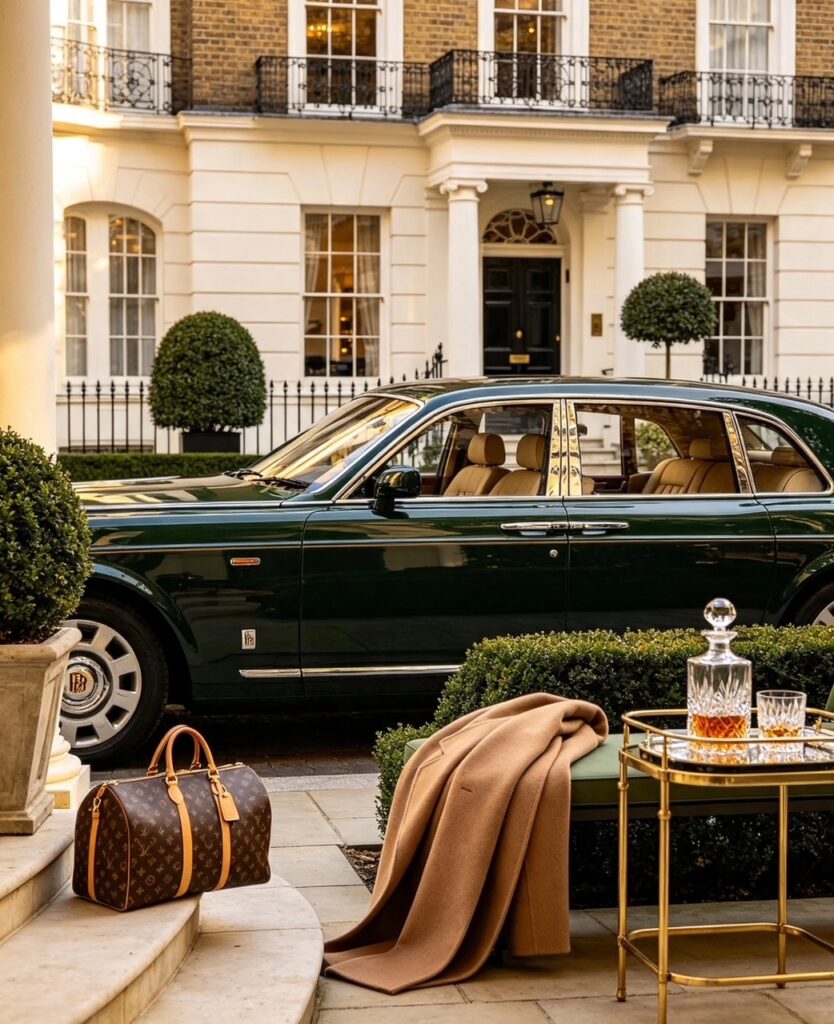
We will always see exceptional homes, classic cars, fine watches, private clubs and yachts however the meaning behind it all is changing.
The emerging definition of wealth isn’t about showing your wealth or proving that you have money.
It’s about demonstrating that money has given you something much more valuable, added to your life and elevated you as a person.
Choice over your time.
Flexibility to work within your schedule and time.
The choice of where you live and spend your time.
Options on how to travel.
Buying what you like, when you like.
The biggest value?
The choice that you can walk away from things that no longer serve you.
This is the new definition of luxury in modern Britain.
Having enough freedom to do as you please so that you don’t need to have everything.
CosmoLuxe Magazine Wealth Index
If you’re thinking about your own financial position, consider these five questions.
- What do you own?
Property, investments, pensions and other assets. - What do you owe?
Mortgages, loans, credit or other liabilities. - How dependant are you on your salary?
Could your lifestyle continue if your employment income stopped? - How much control do you have over your time?
Can you take time away from your work without serious financial consequences? - How many choices can your money create?
Can you relocate, travel, invest, help family or change careers?
The answers may tell you more about your wealth than your salary ever could.
CosmoLuxe Magazine is a leading luxury beauty, fashion, lifestyle and travel digital magazine.